


Description
The peach tree (Prunus persica) is a fruit tree, from the family Rosaceae, genus prunus. The peach is a tree that reaches 8m in height; its branches are relatively straight with few branches. Its leaves are slightly serrated on the edges in the shape of a lancelet, having a length between 8- 15 cm and a width of 2-4 cm. The flowers with a diameter of 2.5-3.5 cm, form the dome, being pink or yellow in color. The fruits, frequently covered with bristles, are spherical in shape with a diameter of 4-10 cm, having shades of color from light green, yellow to reddish. The centrally located kernel is of a hard consistency. In Central Europe, the peach is planted in vineyards to protect it from the cold. The trees are sensitive to the cold, that's why it is often practiced grafting the plum with peach saplings.
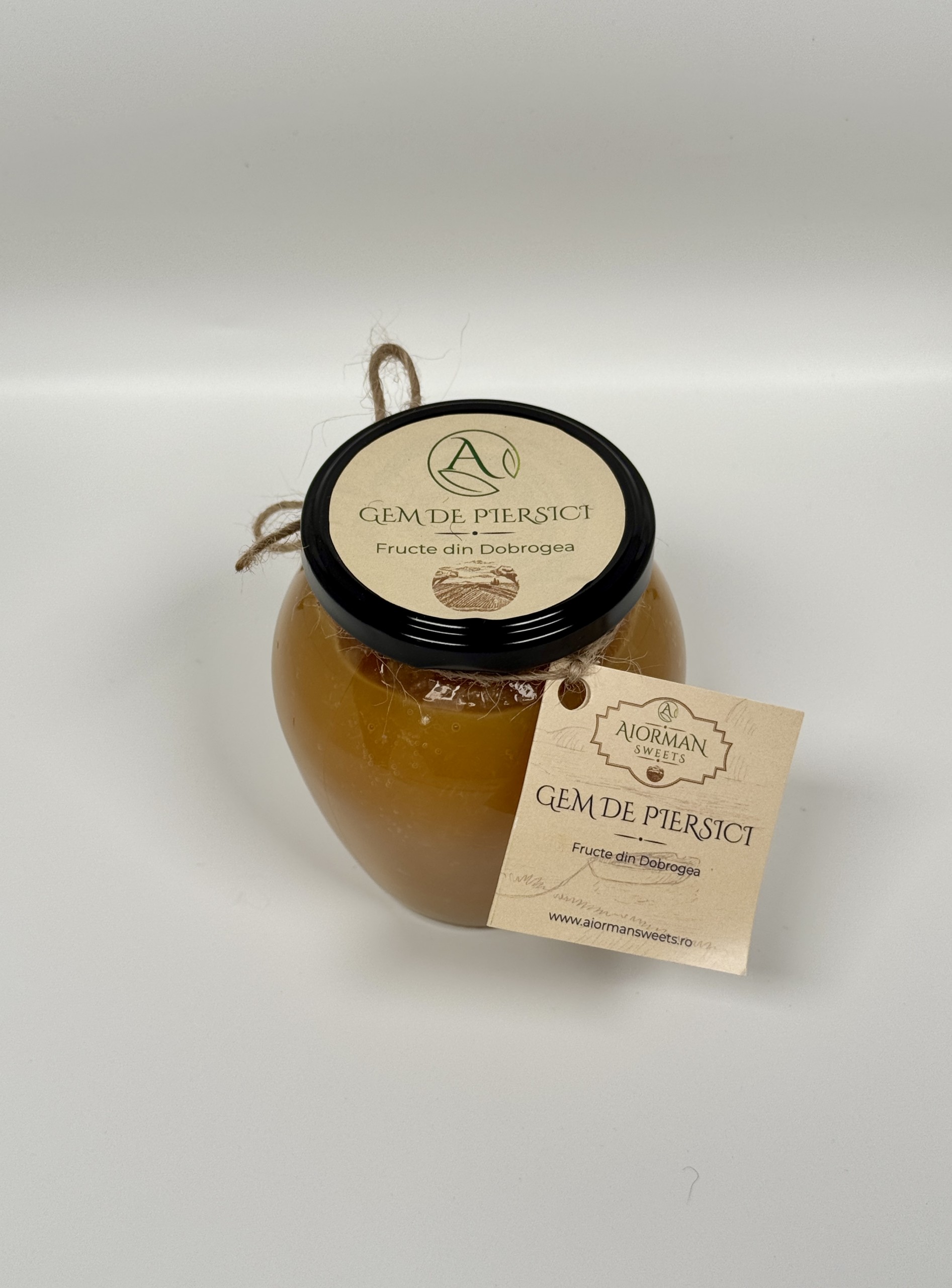
The peach withstands temperatures up to -30 degrees Celsius in winter, but if after the branches bloom, the temperature drops to less than -4 degrees, the flowers are shaken and the tree can no longer produce fruit in that year. Thus, unexpected frosts during the spring are quite problematic, since the peach blossoms quite early (at the beginning of spring). Also, for the fruits to ripen, it is necessary that the temperature during the summer, in the hottest month, be between 20-30 degrees. Peaches are excellent for hydration, as they contain approximately 87% water. Also, the benefits of eating peaches are also related to the fight against extra pounds. For example, 100 grams of peaches have around 43 calories, while the same number of grapes has almost double. The same number of peaches has 0.7 grams of protein, 11 grams of carbohydrates, 5 grams of calcium, 2 grams of fiber, 12 milligrams of phosphorus, which helps maintain the health of nerve cells, 197 milligrams of potassium or 6.6 milligrams of vitamin C. Among other things, the benefits of peach consumption are also in terms of combating anemia, constipation or high blood pressure. Also, nutritionists say that peaches are also helpful in the case of gastritis, kidney inflammation, bronchitis or asthma. There are studies that show that peaches also bring an important ratio to vitamin A, which helps the body to keep away the formation of malignant cells in organs and glands with epithelial tissue. In 2018, the total production of peaches and nectarines was 22.5 thousand tons (up by +3.2 thousand tons compared to 2017). In Tulcea county, the production of peaches and nectarines was 37 tons in 2018, increasing by +18 tons compared to 2017.
Reviews
There are no reviews yet.